
Altitude Training
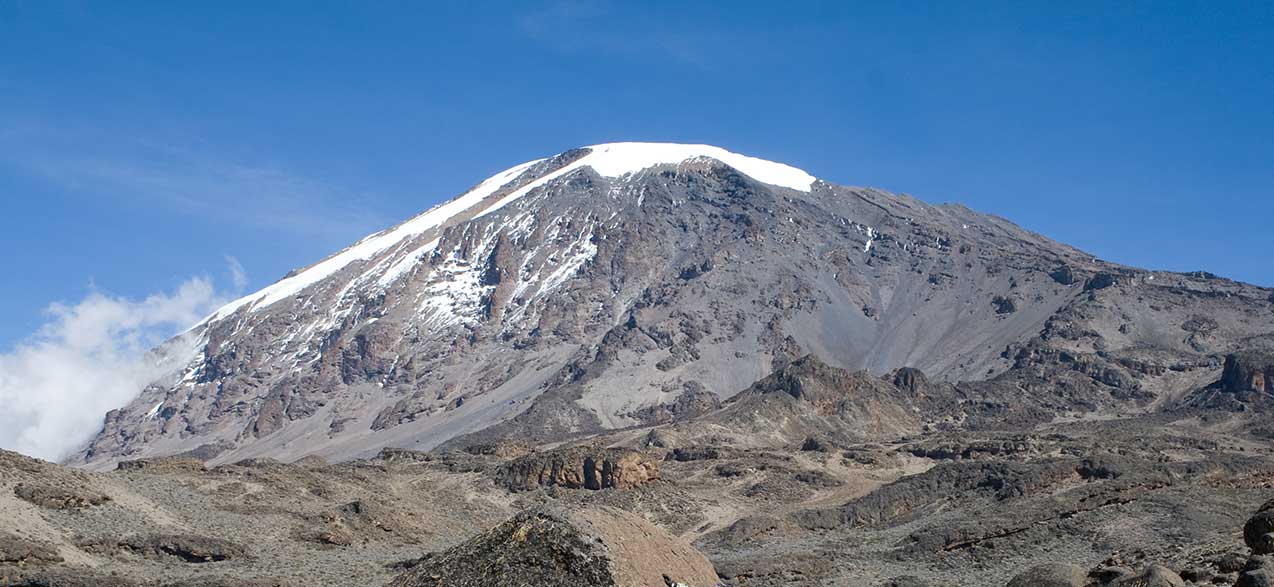
How Should I Get Ready for the High Altitude of Kilimanjaro?
The primary challenge in conquering Mount Kilimanjaro is its formidable altitude. Successful summiting often hinges on effective acclimatization. Therefore, the question arises:
How does one prepare for the high altitude of Kilimanjaro?
Genetic Factors and Adaptation to Altitude
The capacity to acclimatize to high altitudes is predominantly influenced by genetics.
Certain individuals possess an innate advantage in functioning effectively at altitude. The success rates of Kilimanjaro climbs demonstrate this variability, with some completing the ascent in as few as 5 days (though not recommended), while others may struggle even with an 8-day journey. Assessing how well a prospective climber will adapt to an oxygen-deprived atmosphere is only possible when they are physically present in that environment.
However, it’s important to note that acclimatization is not solely determined by genetics, and there are measures one can take to enhance performance at altitude.
Guidelines for Acclimatization on Kilimanjaro
Here are recommended guidelines for effective acclimatization on Kilimanjaro:
- Ascend Slowly: Embrace the mantra “Pole, pole” (slowly, slowly) as your guides advise, ensuring a gradual and slow elevation gain. Incorporating rest days into your climb enhances acclimatization, with each additional day on the mountain increasing summit success rates by about 20%.
- Avoid Overexertion: Engage in mild exercise to aid altitude acclimatization, but refrain from strenuous activity that may trigger altitude sickness. Adequate training for the chosen route is essential to prevent exhaustion at the end of each day.
- Climb High, Sleep Low: Adhere to the principle of climbing to higher altitudes during the day and sleeping at lower altitudes at night. Kilimanjaro routes typically incorporate this approach, and additional acclimatization hikes can be included in your itinerary.
- Maintain Proper Nutrition and Hydration: Consume enough food and water during the climb, with a recommended daily fluid intake of four to five liters. Despite diminished appetite at altitude, maintaining a high-calorie diet is crucial.
- Consider Diamox: The FDA-approved drug Diamox can be used for the prevention and treatment of Acute Mountain Sickness (AMS).
- Avoid Depressant Substances: Steer clear of tobacco, alcohol, and other depressant drugs, including barbiturates, tranquillizers, sleeping pills, and opiates. These substances further reduce respiratory drive during sleep, exacerbating altitude sickness.
- Respond to Symptoms: If moderate altitude sickness symptoms manifest, avoid ascending until symptoms diminish. If symptoms worsen, descent is recommended as a proactive measure.
Prioritize Physical Training
The foremost step in preparing for Kilimanjaro’s altitude is to prioritize physical fitness for your climb.
Direct your attention primarily to training before considering other measures to counter the effects of altitude. Being in excellent physical condition minimizes the stress on your body during the challenges of consecutive days of hiking and recovery. This allows your body to allocate more energy towards acclimatization. Essentially, your body has limited resources, and the more it can dedicate to acclimatization, the smoother the process becomes.
In contrast, if you are not physically fit, the cumulative strain from hiking, camping, weather conditions, and altitude may overwhelm your body, making acclimatization more challenging.
Engage in Higher Altitude Stays
If you reside in a high-altitude town, consider yourself fortunate.
Living at such elevations provides a foundational level of acclimatization for the altitude of your residence. To enhance this, regular hikes to even higher locations can further acquaint your body with reduced oxygen levels, proving beneficial for building sustained acclimatization for Kilimanjaro.
However, for those of us who dwell at or near sea level, seeking high-altitude exposure may require travel. It’s essential to note that a brief stay at high elevation may not directly enhance acclimatization for Kilimanjaro unless undertaken immediately (within a few days) before your climb. Nevertheless, it remains a worthwhile endeavor.
While a short exposure may not provide significant acclimatization, any experience at high altitude is advantageous. Therefore, if feasible, visiting a mountain town or elevated region during your Kilimanjaro preparations is encouraged. The higher the altitude, the longer the stay, and the more active your engagement, the greater insights you’ll gain into your response to a hypoxic environment.
Leverage Altitude Training Systems
Incorporating high altitude training systems allows climbers to pre-acclimatize in the comfort of their homes, significantly enhancing the success rate, safety, and overall enjoyment of the climb.
These systems replicate high-altitude conditions, prompting advantageous biological adaptations within the body. In addition to visiting and residing in high-altitude locations, utilizing a high-altitude training system stands as the exclusive method for pre-acclimatizing to high elevations before embarking on your journey.
Utilizing altitude training systems for pre-acclimatization to high elevations is advantageous for everyone. These systems lower the percentage of oxygen in the air, prompting the body to undergo physiological changes through regular use, adapting to the reduced oxygen levels.
In the absence of pre-acclimatization, climbers ascending Kilimanjaro experience rapid, short-term adaptations. These immediate adjustments primarily aim to prevent sickness and maintain a semblance of normal cardiovascular and muscular performance in an oxygen-deprived environment.
Pre-acclimatization achieved through altitude training systems leads to enduring adaptations, including elevated red blood cell count, increased blood volume, and enhanced efficiency in oxygen absorption. These adaptations offer several benefits:
Reduced Incidence of Acute Mountain Sickness (AMS): AMS is a primary factor leading to climbers’ failure on Mount Kilimanjaro. Pre-acclimatization has the potential to decrease or eliminate AMS symptoms, which are commonly experienced by most individuals.
Improved Mountain Performance: Pre-acclimatization substantially enhances the body’s mechanisms for oxygen delivery to the muscles. This results in heightened aerobic and anaerobic performance on Kilimanjaro, translating to improved hiking strength and endurance.
Enhanced Recovery on the Mountain: In an oxygen-deficient environment, breathing rates and oxygen intake decrease during sleep, causing sleep difficulties for many. Pre- acclimatization enables individuals to sleep well, facilitating better recovery after physical activity.
Altitude Training Systems by Hypoxic
As the premier manufacturer of altitude training systems, Hypoxic offers climbers the opportunity to pre-acclimatize within the convenience of their homes.
The system is versatile and can be utilized during sleep, periods of rest, or during exercise. Optimal Pre-Acclimatization Method with Hypoxic Altitude Systems
The most effective approach to pre-acclimatization involves sleeping inside the tent overnight. The tent is equipped with zippered doors on both sides for easy access, and while it is not airtight, the generator introduces air with reduced oxygen content, displacing the normal oxygenated air from the tent.
For proper pre-acclimatization to Kilimanjaro, we recommend overnight sleep sessions lasting 6-8 hours at a simulated altitude of 10,500 feet over 6-8 weeks.
Additionally, climbers can integrate pre-acclimatization into their exercise routine by wearing an exercise mask during light workouts. Achieving benefits involves spending 30-40 minutes on a bike, elliptical, or treadmill 3-4 times a week.
To ensure proper pre-acclimatization for Kilimanjaro, we recommend exercising at a simulated altitude of 10,500 feet over 6-8 weeks. It’s important to note that these sessions are supplementary and should complement, not replace, your regular workouts in the Kilimanjaro training program.
Lastly, one can achieve pre-acclimatization during periods of rest, such as while watching television, reading, or surfing the internet. Wearing the mask daily for one hour at high altitudes is essential. For proper pre-acclimatization for Kilimanjaro, we recommend wearing the mask at a simulated altitude of 20,000 feet for 6-8 weeks.
Each approach is effective in achieving acclimatization before ascending Kilimanjaro. While climbers are not obligated to combine multiple methods, utilizing various approaches will enhance overall results. Hypoxic, as experts in the field, will provide comprehensive instructions and support throughout your rental period.
Conclusion
Pre-acclimatization proves highly advantageous, offering a head start akin to lowering the mountain’s challenge. Remarkably, almost 100% of our clients who utilized a high-altitude system for training successfully summited Kilimanjaro.
Climbing Guides
Climbing Preparation
Physical Training
Altitude Training
Kilimanjaro Gear
Vaccinations and Immunizations
Tanzania Entry Requirements
Medical Check
Evacuation/rescue on kilimanjaro
Safety On Kilimanjaro
Ams -ready
Other Routes
Marangu Route
6 days + 2 Night at the hotel
Machame Route
7 days + 2 nights at the hotel
Lemosho Route
7 days + 2 night at the hotel
Shira Route
8 days + 2 nights at the hotel
Northern Circuit
9 days + 2 night at the hotel
Rongai Route
6 days + 2 nights at the hotel
Umbwe Route
6 days + 2 night at the hotel
Crater Camp Route
8 days + 2 nights at the hotel
Mount Meru Hiking
4 days
Kilimanjaro climb
3 days